Healthy Nails Trend: Tips for Strong, Beautiful Manicures

Healthy-looking nails are having a real moment. The trend has shifted away from overloaded art and harsh routines toward manicures that look polished, feel comfortable, and support the natural nail underneath.
Think soft shine, clean cuticles, flexible strength, sheer color, and shapes that do not fight daily life. A beautiful manicure still matters, but the healthiest looks start before the polish ever goes on.
The good news: strong nails do not require a complicated routine. A few smart habits, safer product choices, and realistic aftercare can make manicures last longer while keeping nails in better condition between appointments.
Healthy nails are the new luxury manicure
The biggest nail trend right now is not one color or one design. It is the idea that nails should look beautiful and stay healthy.
That means many people are choosing:
Shorter, practical lengths
Soft square, squoval, oval, and almond shapes
Sheer pinks, milky whites, nudes, and lip-gloss finishes
Cuticle care that looks clean but not over-trimmed
Flexible overlays instead of thick, heavy enhancements
Regular breaks from picking, peeling, and over-filing
This does not mean nail art is out. It means nail art is getting more intentional. A tiny chrome accent, a micro French tip, or a soft aura design can look modern without covering every inch of the nail.
The goal is simple: a manicure that looks fresh on day one and still feels good two weeks later.
Healthy nails also photograph beautifully. Smooth texture, even shape, and hydrated skin make a manicure look expensive, even when the color is understated.
Start with the nail plate, not the polish
Polish can hide a lot, but it cannot fix a weak routine. If nails are peeling, splitting, or bending easily, the best first step is to support the nail plate.
Nails are made of layers of keratin. When those layers dry out or get roughed up, the nail can peel at the free edge. Over-buffing, aggressive filing, repeated product removal, and frequent water exposure can all make this worse.
A stronger nail routine starts with a few basics.
Keep filing gentle and consistent
A smooth edge helps prevent snags. Use a fine-grit file and move with care. Sawing back and forth with a rough file can create tiny splits that travel up the nail.
For natural nails, shorter lengths often hold up better. If nails break at the corners, try a squoval or oval shape. These styles remove sharp stress points while still looking neat.
Do not over-buff the surface
Buffing can make nails look smooth, but too much removes protective layers. Save heavy buffing for rare occasions. If ridges bother you, a ridge-filling base coat is often kinder than constant sanding.
Watch how products come off
Many nail problems start during removal, not application. Peeling off gel, dip, acrylic, or press-ons can pull away layers of the natural nail.
A safe removal process takes patience. Product should be softened, lifted gently, and never forced. If it feels stuck, it needs more time, not more pressure.
Treat the free edge as the weak point
The tip of the nail gets the most wear. Typing, cleaning, opening containers, and washing dishes all affect the free edge.
To protect it:
Cap the free edge with base coat and color when polishing
Wear gloves for cleaning and dishwashing
Use tools instead of nails to open cans, key rings, and packages
Keep a file nearby to smooth small chips before they split
Small habits make a big difference because nails grow slowly. Preventing damage matters more than trying to repair it later.
The healthiest trending manicure styles
Trendy manicures can still be kind to the nail when the length, product, and removal process match the natural nail’s needs. These styles fit the healthy nail mood while still feeling current.
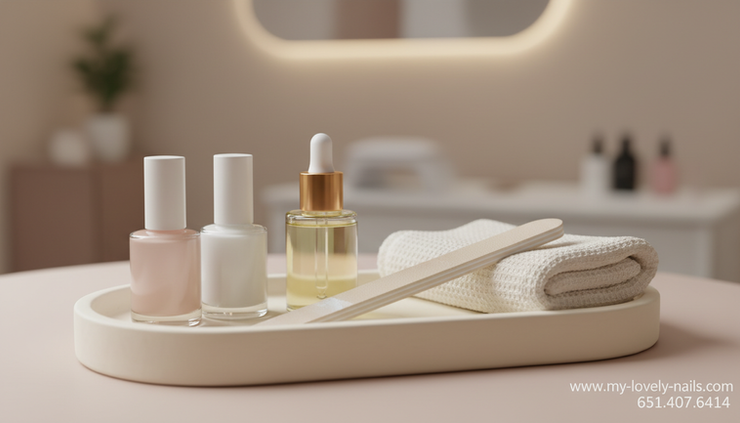
The clean-girl manicure
This look is simple, glossy, and neat. It usually features short to medium nails, hydrated cuticles, and sheer polish in pink, beige, or clear.
What makes it healthy-friendly is the low-maintenance shape. Shorter nails are less likely to bend or break, and sheer shades make grow-out less obvious.
A good version includes:
Careful shaping
Light cuticle cleanup
Smoothing base coat
Sheer color
Glossy top coat
Daily cuticle oil
The finish should look clean, not overly thick.
Milky nails
Milky nails are soft, semi-sheer, and flattering on many skin tones. The shade sits between white, pink, cream, and nude.
This trend works well for nails that are growing out from damage because it gives a polished look without needing bold coverage. The key is thin layers. Thick white polish can look bulky and chip faster.
Ask for a soft, buildable shade rather than an opaque correction-white finish.
Micro French tips
A micro French manicure keeps the classic white tip but makes it thin and delicate. It works well on short nails, which is one reason it fits the healthy nail trend.
The fine tip creates a lengthening effect without requiring long extensions. For a softer look, choose off-white, pale pink, beige, or even a barely-there shimmer tip.
Glazed and chrome accents
Chrome is still popular, but the healthiest-looking versions are subtle. A pearl glaze over a sheer base gives shine without looking heavy.
Chrome powder should be applied over a smooth surface. If the nail needs a lot of buffing to make the effect work, it may not be the best choice for fragile nails. A soft shimmer polish can give a similar glow with less prep.
Builder gel on natural nails
Builder gel can add structure to weak or bendy nails when used correctly. It is often called builder in a bottle or structured gel.
The goal is not to create a thick nail. The goal is to add a balanced layer that helps the nail resist bending. This can be helpful for people who struggle to grow nails past the fingertip.
Good application matters. The overlay should feel balanced, smooth, and comfortable. Removal should be careful, especially if the natural nail is thin.
Cuticle care makes or breaks the look
Cuticles and the skin around the nails have a huge effect on how a manicure looks. Dry, cracked edges can make even perfect polish seem unfinished.
The healthiest approach is gentle. The cuticle area protects the nail matrix, where new nail growth begins. Cutting too aggressively can lead to irritation, hangnails, and a rough grow-out.
A better routine focuses on softening and maintaining.
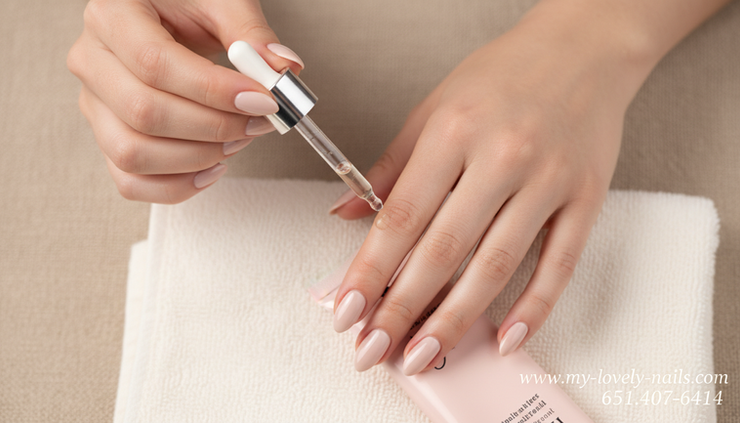
Use cuticle oil every day
Cuticle oil is one of the simplest ways to improve nail appearance. It helps keep the nail area flexible and less prone to peeling.
Apply it at least once a day. Bedtime is easy because the oil has time to absorb. If hands are very dry, apply it after washing and follow with hand cream.
Look for oils such as jojoba, vitamin E blends, almond oil, or other lightweight conditioning oils. The exact formula matters less than using it often.
Push back gently
After a shower or hand soak, the skin around the nails softens. That is the best time to gently push back excess cuticle with a soft tool.
Avoid digging under the skin fold. If something hurts, stop. Nail care should not be painful.
Clip hangnails, not healthy skin
Hangnails can catch and tear, so clip them with clean nippers. Do not pull them. Pulling can create a deeper tear and make the area sore.
Leave healthy living skin alone. A clean manicure does not require cutting everything around the nail.
Daily habits that protect your manicure
A strong manicure is not only about what happens at the salon. The routine between manicures decides how well the nails hold up.
Wear gloves for wet work
Water can soften the nail plate. Repeated soaking and drying can make nails more likely to peel. Cleaning products can also dry out the skin and cuticles.
Use gloves when washing dishes, scrubbing surfaces, or handling strong cleaners. This one habit can extend the life of polish and protect the skin around the nails.
Stop using nails as tools
This is the habit that ruins the most manicures. Nails are not package openers, scrapers, or mini screwdrivers.
Use a real tool for:
Peeling labels
Opening cans
Picking at tape
Scraping food off dishes
Prying open tight lids
Removing key rings
If polish chips at the tips, look at daily habits before blaming the product.
Moisturize after handwashing
Frequent handwashing is necessary, but it can dry the nail area. Keep a small hand cream near the sink, in a bag, or in the car.
A good routine is simple: wash, dry well, apply hand cream, then add cuticle oil when available.
Keep nails at a length you can maintain
Long nails can be beautiful, but the best length is the one that fits daily life. If nails snap often, go slightly shorter for a few weeks. A consistent shorter manicure usually looks better than long nails with breaks and repairs.
For many people, a short squoval or soft almond shape gives the best balance of style and strength.
Product choices matter more than product hype
The nail world has a lot of products with big promises. Some are useful. Some are only trendy. Healthy nail care comes down to choosing products for the actual condition of the nails.
Base coat prevents staining and helps polish grip
A base coat creates a barrier between the nail and pigment. This helps reduce staining from bold colors and gives polish a smoother surface to hold.
If nails peel, look for a base coat designed for flexibility. If nails are ridged, choose a ridge-filling base. If nails are stained, give them time and avoid sanding them thin.
Strengtheners can help, but they are not all the same
Nail strengtheners vary. Some create a protective layer. Some contain hardening ingredients. Nails that are too soft may benefit from a strengthening product, but nails that are already brittle can become more breakable if they get too hard.
Use strengtheners as directed. More is not always better.
Acetone works, but use it wisely
Acetone removes polish and enhancements quickly, but it can dry the surrounding skin. That does not make it bad. It means aftercare matters.
When using acetone:
Avoid soaking longer than needed
Protect surrounding skin with oil if appropriate
Wash hands after removal
Reapply oil and cream afterward
Non-acetone removers can be gentler for regular polish, but they may take longer and require more rubbing. Rubbing can also stress the nail.
UV gel lamps need smart habits
Gel polish often cures under UV or LED lamps. For people who get gel often, simple protection steps can help reduce unnecessary exposure.
Options include applying broad-spectrum sunscreen to the backs of hands before the appointment or wearing UV-protective fingerless gloves. Avoid getting sunscreen on the nail plate because it can affect product adhesion.
This article is for general information and beauty care only. If nails change color, lift, thicken, hurt, or show signs of infection, a licensed medical professional is the right person to ask.
What to eat and drink for better nails
Nutrition affects the body, and nails are part of the body. That said, no single food creates perfect nails overnight. Nail growth takes time, and changes show slowly.
A balanced diet that includes enough protein, healthy fats, vitamins, and minerals supports normal nail growth. Hydration also helps overall skin and cuticle condition.
Common nail-supportive foods include:
Eggs, fish, poultry, beans, tofu, and lentils for protein
Nuts, seeds, avocado, and olive oil for healthy fats
Leafy greens and colorful vegetables for micronutrients
Whole grains for steady nutrients and energy
Water throughout the day for general hydration
Biotin supplements are often marketed for nails, but they are not needed by everyone. They can also interfere with some lab tests. Anyone considering supplements should check with a health professional, especially if they take medication or have a medical condition.
A simple weekly healthy nail routine
Healthy nails respond well to consistency. A weekly routine keeps the manicure fresh and catches small problems early.
Try this rhythm:
Once a day
Apply cuticle oil. Use hand cream after washing when possible.
Two or three times a week
Check the free edge. File tiny snags before they turn into cracks.
Once a week
Remove regular polish if it is chipping. Reapply base coat, color, and top coat in thin layers. If wearing gel or enhancements, leave removal to a careful process rather than picking.
Every few weeks
Reassess length and shape. If nails feel weak, go shorter and choose a lighter product load for the next manicure.
Between salon visits
Avoid pulling lifted product. If gel, dip, or acrylic begins to lift, book a repair or removal. Water can get trapped under lifted product, which may create bigger problems.
Signs your nails need a break
A nail break does not always mean a full manicure break is needed. Still, certain signs suggest it is time to simplify the routine.
Look for:
Peeling in thin layers
Soreness after removal
Nails that bend painfully
White patches from surface damage
Repeated lifting near the cuticle
Heat spikes or burning during curing
Product that feels too thick or heavy
A break does not have to mean bare nails for months. It can mean switching to regular polish, using sheer treatment coats, wearing nails shorter, or focusing on oil and cream for a few weeks.
The healthiest choice is the one that reduces stress on the nail while it grows out.

The takeaway for strong, beautiful manicures
The healthiest manicure trend is less about chasing every new color and more about caring for the nail underneath. A strong, beautiful manicure starts with gentle shaping, careful removal, hydrated cuticles, and products that match the nail’s condition.
Choose styles that work with daily life. Keep nails at a manageable length. Use oil often. Protect hands from water and cleaning products. Stop peeling off polish or enhancements, even when it is tempting.
When nails are cared for consistently, even the simplest manicure looks polished. Sheer pink, soft nude, clear gloss, micro French, or a subtle chrome glow can all feel fresh when the nail itself is smooth, strong, and healthy.


Comments